I am obsessed with discovering the unknown.
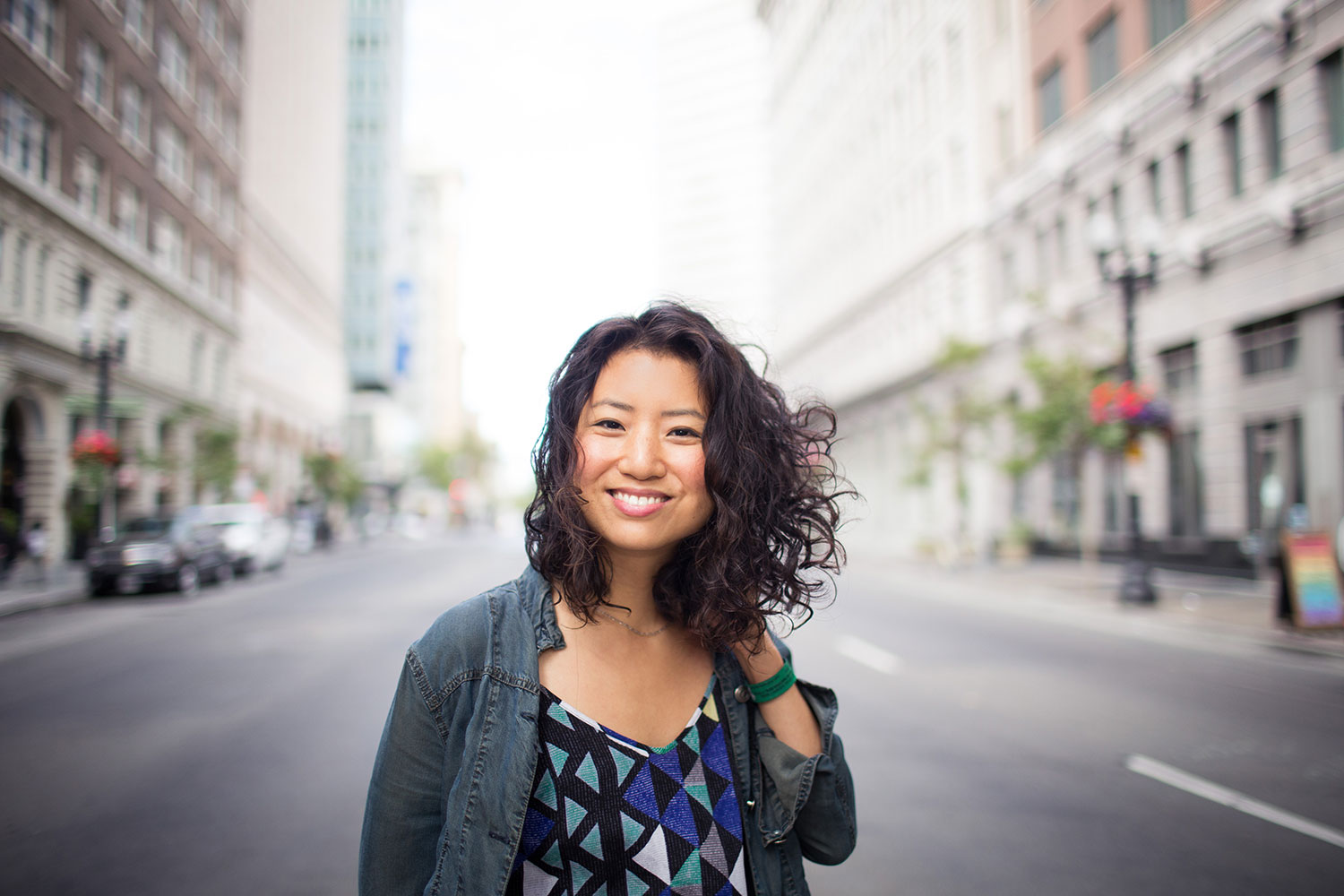
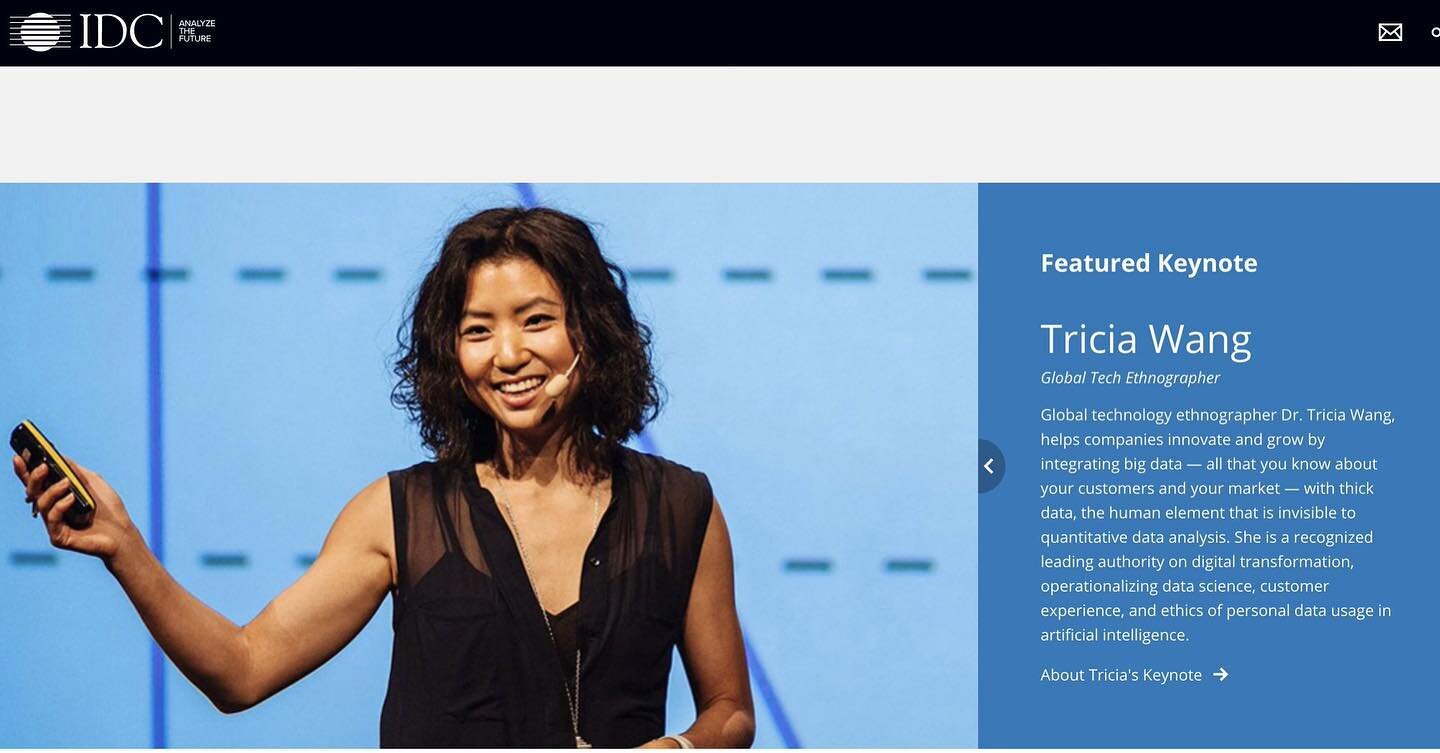
I am a tech ethnographer obsessed with designing equity into systems. Part data geek, designer, and community organizer, my belief that technology must serve humanity is the thread across my work from the public to the private sector. I advise C-Suite leaders on tech, data, and customer growth. I am currently writing book on how AI is leading to a shift in how we relate to tech as users to what I call "Shapers," people who have a new set of skills to cooperate with AI. I have deep on the ground expertise from China to South America launching programs and businesses founded on deep understanding of community needs. I advise start-ups and organizations. I optimize my life to be around caring people, dancing, eating, and my grandma. I am now posting more frequently on instagram and Linkedin.
What I'm Up To Right Now

I co-founded Sudden Compass, an enterprise solutions firm that architects new ways to drive insights to action in a data.

I just joined the advisory board of Disaster Intelligence, a software company this is applying AI and ML to disaster planning (and one of the most robust data ethic guidelines I've ever seen).

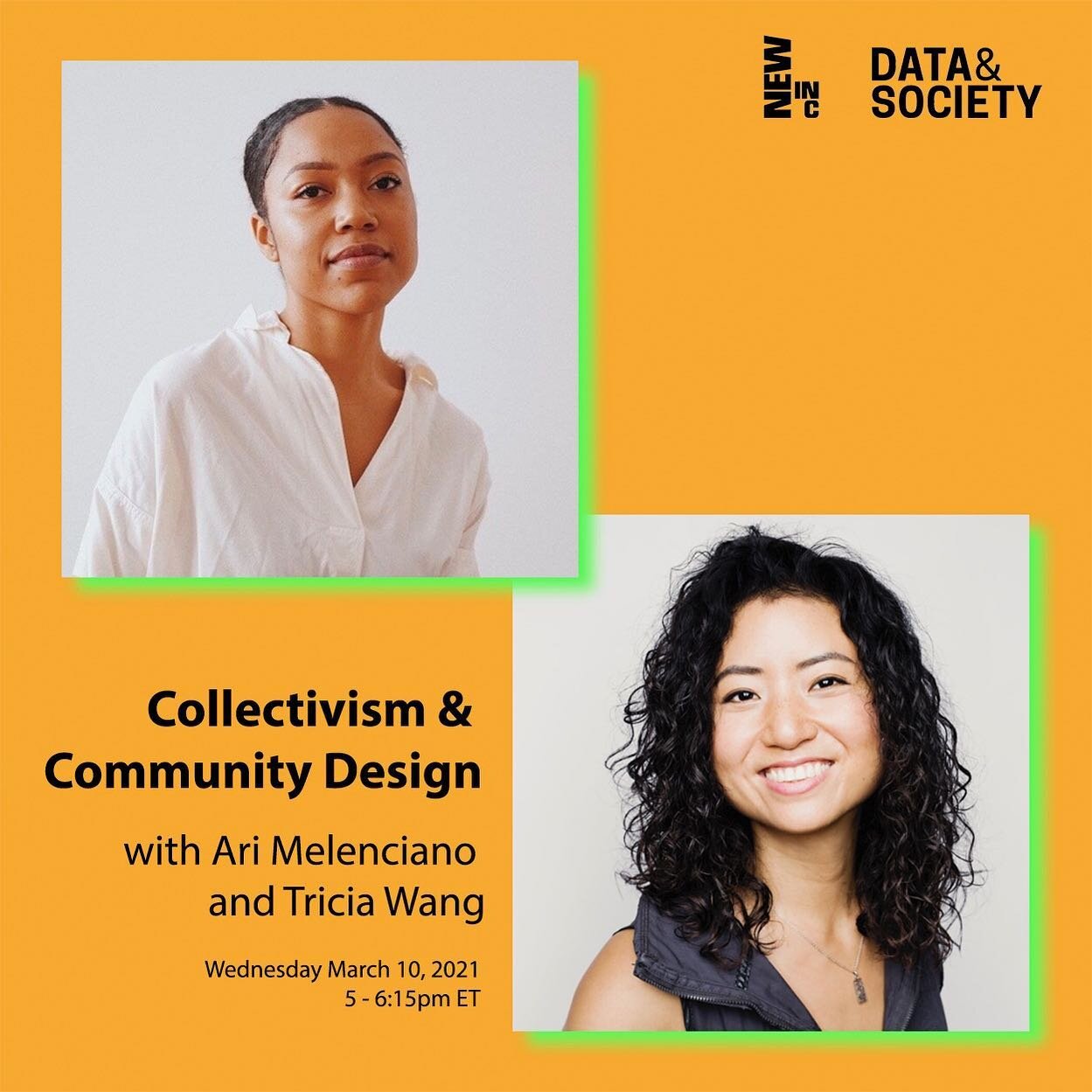
I’ve recently become an affiliate at Data and Society, a think-tank in NYC that examines the implications of data systems.

I co-started a slack group for anyone (really anyone!) who uses ethnography in an applied way. Experts or newbies welcome. UX/Interaction design/ethnographers/design researchers come join.
What I'm Speaking About

TED Talks
The Human Insights Missing From Big Data
What are the consequences of believing in absolute truth and not making room for multiple perspectives? Back in August, I returned to my favorite conference in the world to give the opening keynote at The Conf. I gave the talk I always to give, but never had the chance to write.

The Conf
Don’t Trust the Truth
What are the consequences of believing in absolute truth and not making room for multiple perspectives? Back in August, I returned to my favorite conference in the world to give the opening keynote at The Conf. I gave the talk I always to give, but never had the chance to write.

What I'm Reading


What I'm Quoting
“If you take care of freedom, truth takes care of itself.”
“You cannot be anything you want to be – but you can be a lot more of who you already are.”
“Don’t cry because it’s over, smile because it happened.”